
Lighting is one of the most overlooked yet critical elements in a kitchen remodel. In UK homes—where natural light can often be limited due to weather and architectural constraints—well-planned kitchen lighting is essential not only for functionality but also for creating a welcoming and visually appealing space.
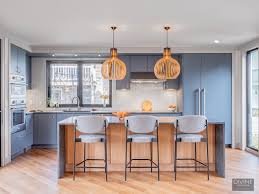
A thoughtfully designed lighting scheme can transform even the smallest or darkest kitchen into a bright, efficient, and stylish environment. Whether you’re renovating a London flat, a suburban semi-detached home, or a countryside cottage, understanding how to layer lighting effectively is key to achieving the best results.
Why Kitchen Lighting Matters More in the UK
The UK’s climate plays a major role in kitchen design. With shorter daylight hours during winter and frequent overcast conditions, kitchens often rely heavily on artificial lighting.
Poor lighting can lead to:
- Difficulties when preparing food
- A dull and uninviting atmosphere
- Reduced perceived space in smaller kitchens
On the other hand, well-designed lighting improves usability, enhances aesthetics, and even increases property value.
The Three Layers of Kitchen Lighting
A successful kitchen lighting plan is built around three key layers: ambient, task, and accent lighting. Each serves a specific purpose and works together to create a balanced environment.
Ambient Lighting
Ambient lighting provides overall illumination for the kitchen. It ensures that the entire space is evenly lit and safe to move around in.
In UK kitchens, common ambient lighting options include:
- Ceiling-mounted LED panels
- Recessed spotlights
- Pendant lights for general coverage
LED downlights are particularly popular because they are energy-efficient and provide consistent brightness.
Task Lighting
Task lighting focuses on specific work areas such as countertops, sinks, and hobs. This is essential for activities like chopping, cooking, and cleaning.
Effective task lighting options include:
- Under-cabinet LED strips
- Directional spotlights
- Pendant lights over islands
Under-cabinet lighting is especially useful in UK kitchens, where overhead lighting alone may cast shadows on work surfaces.
Accent Lighting
Accent lighting adds depth and visual interest to the kitchen. While not essential for functionality, it enhances the overall design.
Examples include:
- LED strips inside cabinets
- Lighting for glass-front cupboards
- Plinth lighting at floor level
Accent lighting is often used in luxury UK kitchens to create a sophisticated atmosphere.
Choosing the Right Lighting Fixtures
Selecting the right fixtures is just as important as planning the layout.
Pendant Lights
Pendant lights are a popular choice in UK kitchens, particularly above islands and dining areas. They serve both functional and decorative purposes.
When choosing pendant lights:
- Ensure they are positioned at the correct height
- Use multiple pendants for larger islands
- Match the style to your kitchen design
Recessed Spotlights
Recessed spotlights provide a clean and modern look. They are commonly used in contemporary UK kitchens and work well for both ambient and task lighting.
Spacing is crucial—too many lights can make the space feel harsh, while too few can leave dark areas.
LED Strip Lighting
LED strips are versatile and energy-efficient. They are commonly used under cabinets, along plinths, and inside storage units.
They are particularly effective in small UK kitchens, where maximising light is essential.
Lighting for Different Kitchen Styles
The style of your kitchen should influence your lighting choices.
Modern Kitchens
Modern kitchens benefit from sleek, minimal lighting designs such as:
- Integrated LED strips
- Simple pendant lights
- Neutral colour temperatures
Traditional Kitchens
Traditional UK kitchens often feature:
- Decorative pendant lights
- Warm lighting tones
- Statement fixtures such as chandeliers
Choosing lighting that complements your kitchen style ensures a cohesive look.
Colour Temperature and Mood
Lighting colour temperature has a significant impact on the atmosphere of your kitchen.
- Cool white (4000K–5000K): Ideal for task lighting and modern kitchens
- Warm white (2700K–3000K): Creates a cosy, traditional feel
Many UK homeowners opt for a combination of both to balance functionality and comfort.
Smart Lighting Solutions
Smart lighting is becoming increasingly popular in UK kitchen remodels.
Benefits of Smart Lighting
- Control brightness and colour via smartphone
- Set schedules for energy efficiency
- Adjust lighting for different activities
Smart systems can be integrated with voice assistants, making them convenient and future-proof.
Maximising Natural Light
While artificial lighting is essential, natural light should not be overlooked.
Ways to increase natural light include:
- Installing larger windows or bi-fold doors
- Using reflective surfaces such as glossy cabinets
- Keeping window areas unobstructed
In UK homes, even small improvements in natural light can make a noticeable difference.
Common Lighting Mistakes to Avoid
Many homeowners make avoidable mistakes when designing kitchen lighting.
These include:
- Relying on a single light source
- Ignoring task lighting
- Using incorrect colour temperatures
- Over-lighting the space
A layered approach helps avoid these issues and ensures a balanced design.
Final Thoughts
Kitchen lighting design in the UK requires careful planning to balance functionality, style, and energy efficiency. By combining ambient, task, and accent lighting, and choosing fixtures that complement your kitchen style, you can create a space that is both practical and visually appealing.
A well-lit kitchen not only improves daily usability but also enhances the overall atmosphere of your home.