
When remodelling a kitchen in the UK, one of the most important design decisions is choosing between a modern or traditional style. Both approaches offer unique benefits, and the right choice depends on your home’s architecture, personal preferences, and lifestyle.
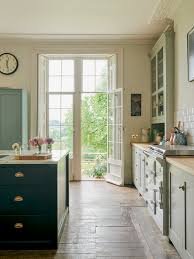
From sleek, minimalist spaces to warm, classic designs, UK kitchens reflect a wide range of influences. Understanding the differences between modern and traditional styles can help you create a kitchen that feels cohesive and timeless.
What Defines a Modern Kitchen in the UK?
Modern kitchens are characterised by clean lines, minimalism, and a focus on functionality. They are particularly popular in new-build homes and urban apartments across the UK.
Key Features of Modern Kitchens
- Handleless cabinetry for a seamless look
- Flat-panel doors with smooth finishes
- Integrated appliances
- Neutral colour palettes such as white, grey, and black
- Minimal decorative elements
Modern kitchens often emphasise simplicity and efficiency, making them ideal for busy households.
Advantages of Modern Kitchen Designs
Modern kitchens offer several benefits:
- Easy to clean due to smooth surfaces
- Space-efficient, especially in smaller UK homes
- Compatible with smart technology
- Sleek and contemporary appearance
They are particularly well-suited to open-plan living spaces, where the kitchen blends with dining and living areas.
What Defines a Traditional Kitchen?
Traditional kitchens draw inspiration from classic British design, often featuring warm materials and decorative details.
Key Features of Traditional Kitchens
- Shaker-style cabinets
- Natural wood finishes
- Decorative mouldings and trims
- Belfast (butler) sinks
- Freestanding furniture elements
Traditional kitchens are commonly found in period properties, cottages, and country homes across the UK.
Advantages of Traditional Kitchens
Traditional kitchens offer a different set of benefits:
- Timeless appeal that doesn’t go out of style
- Warm and inviting atmosphere
- Greater character and individuality
- Works well with older UK homes
These kitchens often feel more homely and comfortable compared to modern designs.
Choosing Based on Your Property Type
Your home’s architecture should heavily influence your choice.
Modern Homes
New-build properties and city apartments often suit modern kitchens better. The clean lines and minimalist design complement contemporary architecture.
Period Properties
Victorian, Georgian, and cottage-style homes in the UK typically benefit from traditional kitchens that match their character.
However, mixing styles can also work well when done carefully.
Blending Modern and Traditional Styles
Many UK homeowners are now opting for transitional kitchens that combine elements of both styles.
Examples of Hybrid Design
- Shaker cabinets with modern colours
- Traditional layouts with integrated appliances
- Classic materials paired with contemporary lighting
This approach allows you to enjoy the best of both worlds—timeless design with modern functionality.
Colour and Material Choices
Colour plays a major role in defining your kitchen style.
Modern kitchens often feature monochrome or neutral tones, while traditional kitchens use warmer colours such as cream, sage green, or navy.
Material choices also differ:
- Modern: glass, metal, and engineered surfaces
- Traditional: wood, stone, and ceramic
Choosing the right combination can help reinforce your chosen style.
Functionality and Lifestyle
Your lifestyle should guide your decision as much as aesthetics.
If you prefer a low-maintenance, high-efficiency space, a modern kitchen may be the better option.
If you value comfort, character, and a cosy atmosphere, a traditional kitchen may suit you more.
Long-Term Considerations
Trends come and go, but kitchens are long-term investments. Traditional kitchens tend to have greater longevity in terms of style, while modern kitchens may require updates to stay current.
However, high-quality modern designs with neutral palettes can remain stylish for many years.
Final Thoughts
Choosing between a modern and traditional kitchen in the UK ultimately comes down to your personal preferences, your home’s character, and how you use the space.
Both styles offer unique advantages, and there is no one-size-fits-all answer. By carefully considering your needs and exploring hybrid options, you can create a kitchen that is both functional and visually appealing.
A well-designed kitchen—whether modern, traditional, or a blend of both—can enhance your home and provide a space you’ll enjoy for years to come.